


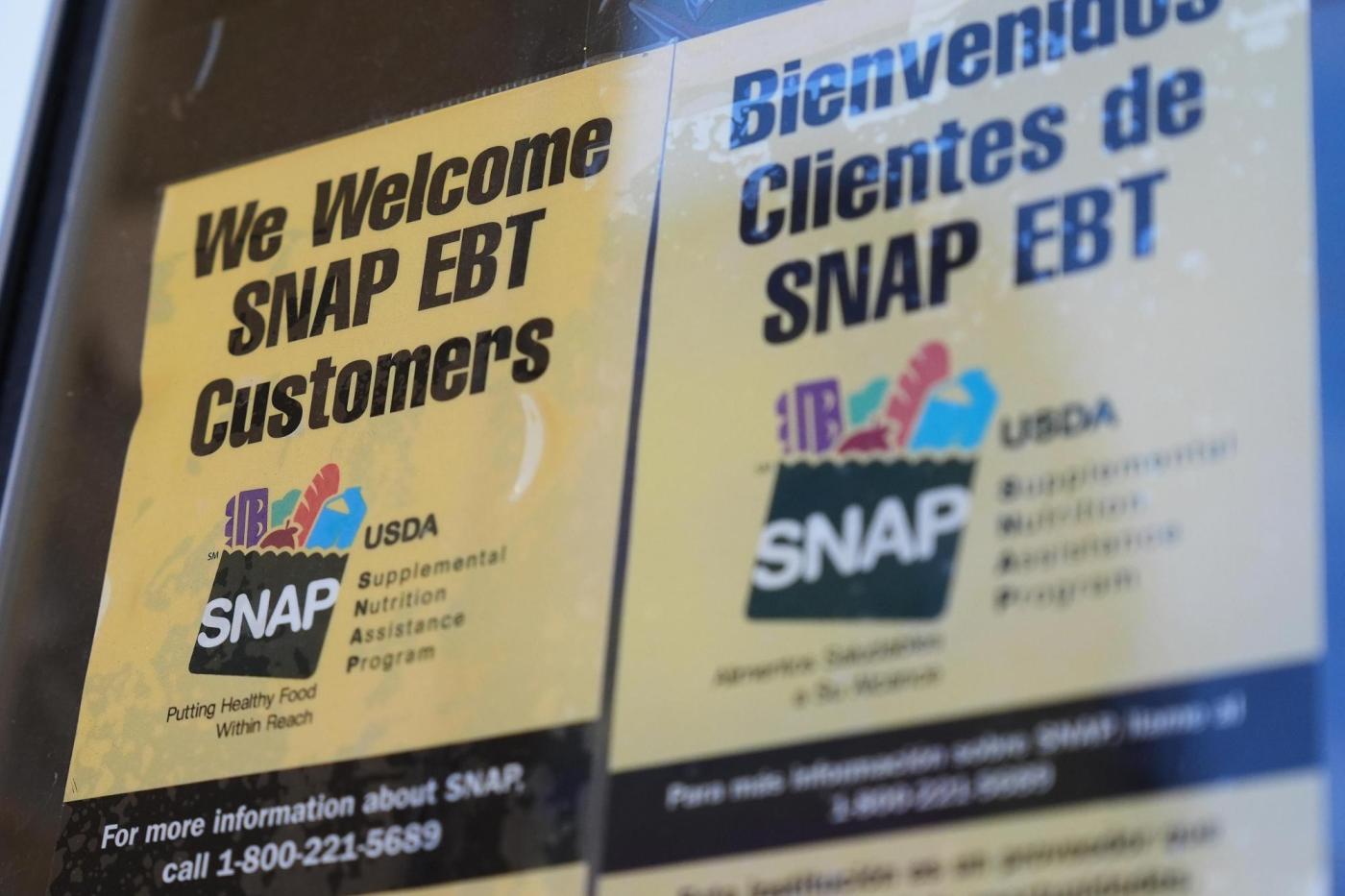
**Shocking Allegations Surface in Moore Administration’s Department of Human Services Over SNAP Payment Errors**
Serious allegations have emerged from within the Moore administration’s Department of Human Services (DHS) involving an alleged scheme to intentionally maintain a high error rate in SNAP payments. According to whistleblowers, senior officials at the department coordinated efforts to keep this error rate artificially high — a troubling claim with significant implications.
The U.S. Department of Agriculture regularly conducts quality control reviews of SNAP recipients, identifying an “error” when beneficiaries receive more or fewer benefits than they are entitled to. The Payment Error Rate (PER) serves as a critical metric for evaluating the administrative accuracy and quality of the issuing agency.
One of the landmark reforms included in the controversial “One Big Beautiful Bill” (H.R. 1) was the introduction of a cost-sharing requirement. Under this provision, states with high error rates must contribute additional funding toward SNAP, increasing the financial burden on their budgets.
Maryland currently ranks among the states with the highest error rates nationwide, at 13.64% — more than double the 6% threshold that triggers cost-sharing. However, if the PER rises too high, the implementation of the cost-sharing mechanism can be delayed until 2029 or 2030.
This creates what policy experts call a “perverse incentive.” Whistleblowers allege that senior DHS officials deliberately kept Maryland’s payment error rate elevated to postpone costs impacting the state budget.
The alleged motive? To protect the Moore administration during an already challenging budget cycle. By delaying cost-sharing, the state would gain additional time for a potential federal administration change that might rescind these financial obligations — or at least pass the burden on to the governor’s successor, since Governor Wes Moore will be term-limited in 2030.
If true, this conduct highlights a disturbing pattern of administrative negligence within the state’s executive branch. While it is assumed that Governor Moore may not be aware of this alleged scheme, the ethical standards of senior DHS leadership must undergo rigorous scrutiny.
Moreover, whistleblowers claim that they faced retaliation — including termination — after reporting these concerns to the Office of the Inspector General. Such retaliation casts doubt on the possibility that this alleged plot was orchestrated without the knowledge or tacit approval of multiple parties within the department.
At its core, this situation exposes how emboldened bureaucrats may go to great lengths to defraud Maryland taxpayers. The governor’s enthusiastic praise for Minnesota Governor Tim Walz, who recently withdrew from reelection amid a daycare scandal, suggests a troubling disconnect from the struggles of hard-working taxpayers. Many Maryland residents forfeit over a third of their paychecks to taxes and fees, and deserve leaders who demonstrate empathy and accountability.
Similarly, the newly elected Speaker of the House of Delegates, Joseline Peña-Melnyk, publicly expressed admiration for convicted former Baltimore City Mayor Catherine Pugh. These attitudes seem to reduce taxpayers to mere sources of endless revenue, with little regard for the effective use of public funds.
To some politicians, fraud and abuse appear to be acceptable “costs” in the pursuit of social progress, while the burdens placed on Marylanders are overlooked. Yet turning a blind eye to misuse of taxpayer dollars ultimately undermines the altruistic goals of progressive policies.
Marylanders are generally patient with new ideas to address societal challenges. The state’s “purple” political mindset, exemplified by former Governor Larry Hogan’s popularity, reflects a strong desire to ensure vulnerable populations can meet basic needs. When taxpayer funds are invested wisely and yield results, most are supportive.
However, when scandals arise, public trust evaporates quickly. Vigilance against fraud and abuse is essential to preserve the fragile social safety nets designed to protect those in need.
This controversy also sheds new light on Maryland’s resistance to sharing SNAP recipient data with the federal government. The previous Trump administration had requested states provide such data to prevent fraud, even threatening to withhold benefits for non-compliance. Democratic governors, including Governor Moore, sued to block the data release, citing privacy concerns.
This standoff was largely viewed as a political battle. Yet, the latest whistleblower revelations raise questions about whether states also aimed to conceal internal wrongdoing.
As this investigation moves forward, Marylanders deserve transparency and accountability. Governor Moore would be wise to pause efforts to expand his national profile and instead devote substantial attention to scrutinizing his own administration.
At minimum, the inquiry must be conducted swiftly and thoroughly. Residents should be kept informed of all accountability measures taken to address these serious allegations.
The governor must reaffirm his commitment to preventing waste, fraud, and abuse of taxpayer funds and abandon any policy of “see no evil.” That is the level of accountability Maryland’s citizens rightfully expect and deserve.
https://www.baltimoresun.com/2026/01/10/torrey-snow-maryland-snap/