


**Tesla’s Annual Profit Plunges Amid Rising Competition and Strategic Shift to AI**
*By BERNARD CONDON | Associated Press*
NEW YORK — Tesla’s annual profit fell to its lowest level since the pandemic five years ago, as the electric vehicle (EV) maker lost its title as the world’s biggest EV producer to a Chinese rival amid sales slumps fueled by boycotts.
The EV company, led by Elon Musk, reported on Wednesday that its net income last year dropped 46% to $3.8 billion. This marks the second consecutive year of sharp declines. The drop occurred despite the launch of more affordable car models and Musk’s commitment to keeping his focus on Tesla after a brief political involvement in the U.S.
Still, Tesla investors have maintained confidence in Musk, with the stock rising 9% over the past year.
### Focus Shifts Toward Artificial Intelligence and Robotics
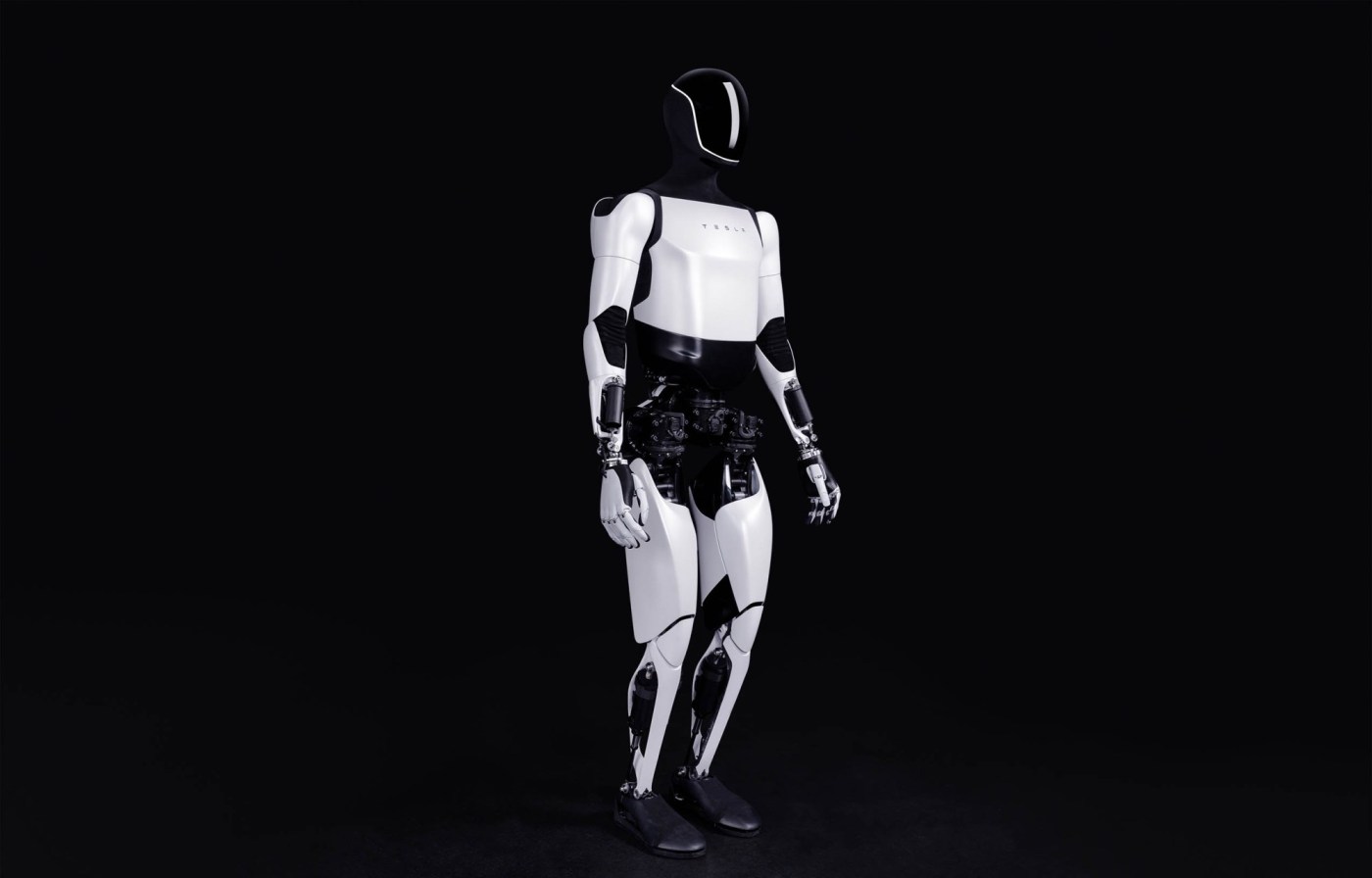
Musk has been encouraging investors to pay less attention to car sales and more to what he envisions as a promising future dominated by artificial intelligence—specifically, robotaxis ferrying millions of passengers in cars without drivers or even steering wheels, and robots assisting in tasks such as watering plants and caring for elderly parents.
On a recent conference call, Musk emphasized this shift by announcing Tesla’s plan to cease production of two older models, the Model S and Model X, in the second quarter. Tesla will convert its Fremont, California factory to produce its Optimus robots instead.
### Significant Investments Planned
Bringing these ambitious plans to fruition will require substantial funding. Tesla officials revealed that the company intends to more than double its capital expenditures to $20 billion this year, with heavy investments earmarked for AI and other new projects.
Moreover, Tesla disclosed a recent $2 billion investment in the AI company xAI, which has sparked potential conflict-of-interest concerns as Musk holds significant stakes in both Tesla and xAI. xAI, known for its Grok AI assistant, has courted controversy for reflecting Musk’s views on race, gender, and politics, and for recently generating non-consensual sexualized deepfake images.
### Quarterly Profit Declines Amid Mixed Signals
Tesla’s fourth-quarter profit also took a hit, plunging 61% to $840 million, or 24 cents per share. Excluding one-time charges, net income came to 50 cents per share, slightly beating analysts’ expectations of 45 cents.
“They’ve got aging products that are becoming less competitive as other manufacturers release new models, compounded by general brand damage,” said Telemetry analyst Sam Abuelsamid. “Musk’s political involvement has alienated some customers.”
However, the report contained some promising signs. Tesla’s energy storage business, while small compared to car sales, posted robust results last quarter with revenues soaring 25% to $3.8 billion—driven by demand from new data centers across the U.S.
Tesla’s gross profit margins were also a highlight, rising to 20% last quarter from 16% a year earlier.
“Tesla’s ability to show improving profitability was a surprise,” said Morningstar analyst Seth Goldstein. He also expressed optimism about Tesla’s plans to launch robotaxi services in Houston, Miami, and five other cities in the first half of this year.
### Upcoming Product Launches and Delays
During the conference call, Tesla announced it would begin producing its two-seater Cybercab, which will forgo traditional wheels and pedals, within the same timeframe.
Nonetheless, Musk is known for making ambitious promises with deadlines that are often unmet. For example, he had predicted European regulators would approve Tesla’s partial self-driving software in the first quarter of last year—a move that could have boosted sales significantly. That approval has yet to materialize. Additionally, a mid-year sales rebound Musk touted failed to happen.
Progress on the robotaxi program has been slow, which Musk attributes to Tesla’s cautious approach to avoid accidents. Tesla had initially promised fully driverless robotaxi rides, but until recently, vehicles were supervised by safety drivers ready to take control if necessary. In Austin, where the service launched in June, Tesla has now removed safety drivers.
### Wall Street’s Take and Future Outlook
For some Wall Street analysts, Tesla’s recent developments are reason for optimism. Dan Ives of Wedbush Securities, one of the market’s most bullish voices on Tesla, forecasts robotaxi services in over 30 cities by year-end and predicts Tesla will command 70% of the global self-driving car market within a decade.
Ives and others are also encouraged by Musk’s renewed focus on Tesla after his months leading a government cost-cutting team in Washington.
However, it remains uncertain whether Musk’s attention will stay undivided throughout the new year. He plans to take his rocket company, SpaceX, public—possibly as soon as June. Many expect the anticipated IPO to be a blockbuster, potentially making Musk the world’s first trillionaire but also possibly diverting his focus from Tesla.
—
*This report highlights the challenges and shifts within Tesla as it navigates increased competition, evolving product strategies, and Musk’s broadening ambitions in the tech sector.*
https://www.mercurynews.com/2026/01/28/tesla-profit-drop-fremont-factory-robots-electric-cars/